


Which AWD system is better for Jacksonville, IL winters: — The 2025 Mitsubishi Eclipse Cross S-AWC or Hyundai Kona HTRAC?
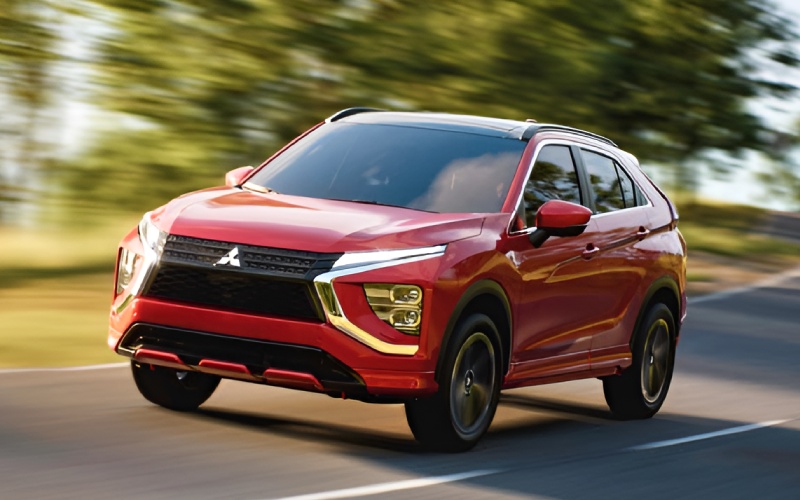
Landmark Mitsubishi – Which AWD system is better for Jacksonville, IL winters: — The 2025 Mitsubishi Eclipse Cross S-AWC or Hyundai Kona HTRAC?
Shoppers often ask whether Mitsubishi’s Super-All Wheel Control or Hyundai’s HTRAC All Wheel Drive offers better real-world traction in snow, slush, and shoulder seasons. The short answer is that both systems improve stability and confidence compared with front-wheel drive, but they prioritize different outcomes. S-AWC on Eclipse Cross is built around proactive management of torque and brake control to help the vehicle feel planted as conditions change underfoot. HTRAC on Kona focuses on distributing power between the axles to keep momentum in low-traction situations while retaining the car’s nimble personality. If the goal is a composed, settled drive when roads are wet, rutted, or glazed with overnight frost, S-AWC’s integrated approach is a standout. If you want a subcompact SUV that leans sporty in feel with AWD confidence, HTRAC brings balanced performance.
Let’s break down practical differences drivers notice on winter commutes, weekend errands, and stormy highway stretches. The Eclipse Cross uses S-AWC to help manage yaw and slip at each corner, which contributes to linear steering, predictable lane changes, and relaxed acceleration on slick surfaces. Kona’s HTRAC does well at mitigating initial wheelspin and improving straight-line traction during starts and climbs, especially with all-season tires. In both vehicles, modern stability control and driver-assistance technologies raise the safety floor, but S-AWC’s holistic coordination can make a subtle, daily difference when temperatures and traction fluctuate within a single trip.
- Launch control in low grip: S-AWC smooths throttle application and limits side-to-side scrabble; HTRAC adds grip to get rolling with minimal drama.
- Corner exit on packed snow: S-AWC’s brake-based control helps the SUV track true; HTRAC is reassuring but can feel more momentum-led.
- Highway stability in gusts: S-AWC contributes to a calm chassis with fewer small corrections; HTRAC maintains composure with a taut, light-on-its-feet feel.
- Parking lot slush: Both systems add confidence; S-AWC often feels more progressive as you modulate steering and throttle at low speed.
How should a Central Illinois driver choose? Start with your routes. If your daily paths include rural cut-throughs, shaded bridges, and uneven surfaces that stay slick for hours, S-AWC’s integrated calibration may pay off every morning. If most miles are on plowed arterials with occasional snow days, HTRAC’s surefootedness will likely satisfy. Tire choice matters as much as AWD—investing in quality all-season or winter-rated rubber amplifies both systems’ strengths. Also consider the technologies you value alongside AWD. Eclipse Cross can be equipped with a Multi-View Camera System, Handsfree Power Tailgate, and a panoramic roof, while Kona Limited offers Surround View Monitor, Remote Smart Parking Assist, and larger digital displays. Pair the right AWD with the cabin tech you’ll use daily.
Before deciding, drive both systems back-to-back on familiar roads. Choose a loop with lane merges, a few elevated ramps, and a stretch of mixed pavement. Note steering corrections, throttle response, and how the vehicle feels when hitting a patch of loose grit or residual snow in the lane. One system may simply feel more natural to you—that instinct is worth trusting. Landmark Mitsubishi, serving Jacksonville, Decatur, and Bloomington, can arrange test drives that mimic your commute and explain how driver-assistance features complement AWD in tough conditions. If a set-it-and-forget-it winter partner is the priority, the Eclipse Cross with S-AWC is hard to beat for everyday ease and confidence.
Frequently Asked Questions:
Does S-AWC replace winter tires?
No. S-AWC enhances traction and stability, but tire compound and tread remain the foundation of winter performance. Use season-appropriate tires for best results.
Is HTRAC enough for rural roads after a storm?
Yes for many drivers, especially with good tires. If your route stays uneven, icy, or slushy for long stretches, S-AWC’s integrated control can add a layer of composure you may appreciate.
Can I feel S-AWC working?
Often you notice what you do not feel—less scrabble on launch, fewer micro-corrections mid-corner, and a calmer wheel on rough, slick patches.
Will towing change the AWD choice?
If you plan to tow a small utility or gear trailer, Eclipse Cross offers a factory rating that may tip the scales toward S-AWC for all-weather tasks.
0 comment(s) so far on Which AWD system is better for Jacksonville, IL winters: — The 2025 Mitsubishi Eclipse Cross S-AWC or Hyundai Kona HTRAC?