


Four-Season Farm-to-Freeway Confidence — Mitsubishi SUVs vs Subaru near Decatur, IL
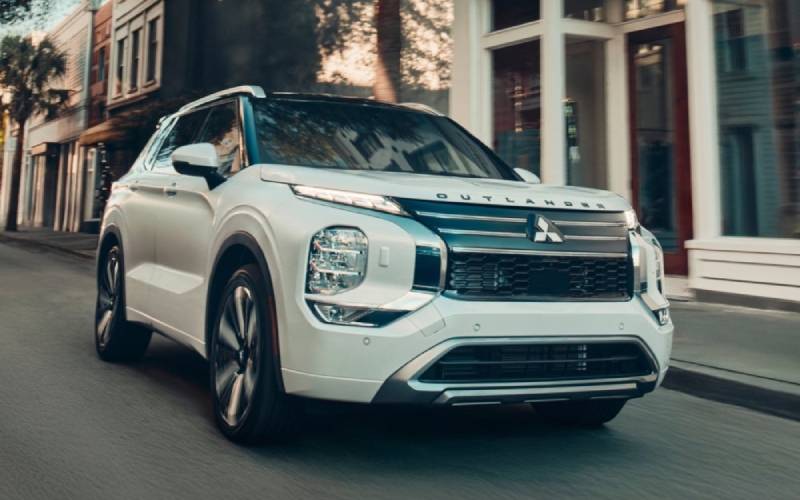
Landmark Mitsubishi – Four-Season Farm-to-Freeway Confidence — Mitsubishi SUVs vs Subaru near Decatur, IL
Central Illinois drivers face a unique mix of conditions, from early morning fog around Lake Decatur and sudden crosswinds on I-72 to rutted gravel lanes outside Mt. Zion and slushy intersections by the Civic Center. If you are weighing Mitsubishi against Subaru, you are already focused on capability and everyday dependability. At Landmark Mitsubishi, we help shoppers match that real-world use to the strengths of each brand. Below, we compare the Mitsubishi crossover and SUV lineup with comparable Subaru vehicles through a practical lens—traction on unpredictable surfaces, cabin flexibility for family life, driver-assistance for long commutes, and the long-term peace of mind that matters when you keep a vehicle through Midwest winters.
Traction confidence is usually the first question for Decatur, IL shoppers, and for good reason. Mitsubishi offers All-Wheel Control (AWC) and Super All-Wheel Control (S-AWC) across our SUV family, delivering sure-footed response on black ice patches by the lake, wet leaves under the oaks in Long Creek, and gravel approaches off US-51. S-AWC integrates yaw control and selective braking to help the vehicle rotate naturally through a turn while maintaining grip, and intuitive drive modes—such as Snow, Gravel, and Tarmac—let you tailor traction to the day’s surface. Subaru’s Symmetrical AWD is a well-known, balanced system that sends power across all four wheels with a low center of gravity from boxer engines. Where Mitsubishi distinguishes itself is in how S-AWC blends power delivery with brake-based torque vectoring and multiple surface modes, giving you fine-grained control as conditions change block by block.
That poise shows up in everyday moves, not just storms. Think about the slick paint on a downtown crosswalk after a misty morning or the crowned asphalt on County Highway 36. S-AWC can trim wheelspin and stabilize your line through the bend with minimal steering correction, while the steering feel in models like the Eclipse Cross helps you place the vehicle confidently between lane markings when wind gusts roll across the MacArthur Bridge. Subaru vehicles deliver predictable traction as well, and select models offer X-Mode for low-friction starts. If your commute mixes two-lane curves, uneven shoulders, and stop-and-go school drop-offs, Mitsubishi’s blend of traction logic and mode customization is designed to take the edge off your drive in all four seasons.
The second big difference is space and seating flexibility. Mitsubishi Outlander seats up to seven with a third row, making it a standout among compact-class SUVs when you are juggling kids, cousins, and gear for Rotary Park. Subaru’s comparable five-seat models prioritize generous cargo areas, and the brand’s three-row option moves you up to a larger footprint. For families who need occasional third-row seating without stepping up in overall size, Outlander is an elegant solution. Eclipse Cross and Outlander Sport provide the smaller footprints that make parallel parking along Merchant Street simpler while still offering fold-flat versatility for strollers, hockey bags, or a last-minute pickup from the garden center.
Electrification is another practical edge for Central Illinois life. The Outlander Plug-in Hybrid gives you daily EV driving for short commutes—perfect for those weekday circuits from South Shores to campus—and seamless gasoline-hybrid power for weekends to Allerton Park or Springfield. It is one of the few plug-in hybrids with available DC fast-charging capability, which makes quick top-ups on longer trips a realistic option rather than a long coffee stop. Subaru offers traditional hybrids only in limited configurations and focuses more broadly on conventional gas and battery-electric solutions. If you want one vehicle to cover electric commuting during the week and family road trips without planning every mile, Mitsubishi’s plug-in approach is a smart fit.
Driver-assistance and connectivity also matter when I-72 settles into a steady 65 mph, and you would like the car to help shoulder the load. Mitsubishi’s available MI-PILOT Assist™ pairs steering assist with adaptive cruise to help you stay centered and maintain following distance. Traffic Jam Assist can support you when the line backs up near the Eldorado Street exit, smoothing out speed fluctuations. Subaru’s EyeSight Driver Assist Technology offers a similarly comprehensive suite with pre-collision braking and lane guidance. Both brands prioritize safety, but if you want features that feel tailored to the flow of Central Illinois highways and arterials, our guests often appreciate how MI-PILOT Assist™ integrates into Mitsubishi’s calm, quiet cabins. Add Mitsubishi Connect for remote start on frosty mornings, vehicle status checks, and emergency assistance, and you have a simple, phone-based layer of everyday convenience.
Long-term confidence is where Mitsubishi writes a different kind of story. Our vehicles are backed by an industry-leading 10-year/100,000-mile Powertrain Limited Warranty for the original owner, along with a comprehensive New Vehicle Limited Warranty and 5-year roadside assistance. Subaru backs its vehicles with a solid warranty program, but it does not match Mitsubishi’s powertrain coverage term. For drivers who plan to keep their vehicle through multiple Central Illinois winters and many summers of ballfield runs, that longer coverage window is a meaningful value—especially when you pair it with our service team here at 2350 Prairie Crossing Drive in Springfield.
To summarize how these strengths line up for real Decatur driving, consider the quick comparison below. Each point maps directly to common local scenarios—from post-snow refreeze at dusk to summer thunderstorms that leave standing water near Central Park.
- All-weather traction feel: Mitsubishi S-AWC emphasizes turn-in stability and mode-based grip for Snow, Gravel, and Tarmac; Subaru Symmetrical AWD delivers steady, balanced traction in varied conditions.
- Everyday maneuverability: Mitsubishi Eclipse Cross and Outlander Sport keep a tidy footprint for tighter downtown parking; Subaru’s comparable models also park easily but do not offer Mitsubishi’s S-AWC tuning across the board.
- Family flexibility: Mitsubishi Outlander offers an available third row in a compact-class package; Subaru’s comparable five-seat models prioritize cargo space without a compact-class third row.
- Electrified versatility: Mitsubishi Outlander Plug-in Hybrid enables weekday EV driving with gasoline-hybrid range for trips and available DC fast charging; Subaru’s lineup emphasizes conventional gasoline and dedicated EV solutions.
- Highway ease: Mitsubishi MI-PILOT Assist™ supports lane centering and adaptive cruise for I-72 commutes; Subaru EyeSight provides comparable assistance with strong pre-collision features.
- Warranty confidence: Mitsubishi’s 10-year/100,000-mile Powertrain Limited Warranty for the original owner stands out for long-term ownership; Subaru’s powertrain coverage is shorter by comparison.
If your week swings from school runs along West Main to Sunday potlucks in Warrensburg, Mitsubishi gives you a toolbox built for that rhythm—calm steering, confident winter grip, a right-sized footprint for errands, and available third-row space when plans grow. Add the Outlander Plug-in Hybrid for EV miles without range anxiety, and you have one vehicle that adapts as quickly as the Midwest weather.
At Landmark Mitsubishi, our goal is to help you test the differences you will feel in your own life. We recommend taking a pair of short loops that represent your real routine: a downtown stop-and-go route with a few parallel parks, then a quick hop on I-72 to feel crosswind stability and MI-PILOT Assist™ support. If you live on a gravel drive east of town, we can route you over a similar surface so you can feel S-AWC work under light throttle. This is how the right SUV choice becomes obvious—when the drive lines up with your everyday roads.
- Bring your routine: Note your longest commute stretch and a couple of typical stops around Decatur so we can mirror those conditions.
- Compare traction modes: Try Snow and Gravel modes back-to-back to feel how S-AWC changes launch and cornering feel on low-grip surfaces.
- Load the cabin: Fold seats, test the third row in Outlander, and bring a stroller or hockey bag to confirm real fit.
- Explore driver-assistance: Use MI-PILOT Assist™ during a brief I-72 segment to experience centered tracking and smooth spacing.
- Plan long-term: Review Mitsubishi warranty coverage and our service schedule to understand how ownership support fits your plans.
Our team in Springfield serves drivers throughout Decatur and Central Illinois with straightforward guidance, flexible test-drive routes, and a service department that understands the region’s freeze-thaw cycles, pothole wear, and tire needs. Whether your shortlist includes Subaru because of its AWD reputation or you are starting with Mitsubishi because of S-AWC, we welcome the comparison. The goal is simple—find the SUV that helps your week feel calmer and your weekends more flexible, mile after mile.
When you are ready, visit Landmark Mitsubishi at 2350 Prairie Crossing Drive in Springfield, call 217-793-6050, or start your search online. We will set up a side-by-side drive that reflects Decatur, IL, roads and the way you actually use your vehicle.
Frequently Asked Questions:
How does S-AWC differ from Subaru’s Symmetrical AWD in everyday driving?
S-AWC layers traction control, selective braking, and multiple surface modes to manage yaw and wheelspin proactively, which you will notice as stable, confident turn-in on slick side streets and composed launches at snowy intersections. Subaru’s Symmetrical AWD offers balanced, always-on traction that feels predictable; S-AWC adds more customization for surface-specific confidence.
Which Mitsubishi models offer S-AWC or AWC?
Mitsubishi offers AWC or S-AWC across our SUV family, including Outlander, Outlander Plug-in Hybrid, Eclipse Cross, and Outlander Sport. Availability varies by trim, so our team will help you pick the configuration that aligns with your routes and traction needs around Decatur, IL.
Do I need a three-row SUV if I only use extra seats occasionally?
If you need flexibility a few times a month—carpooling to practices, grandparents in town—the Mitsubishi Outlander’s available third row is ideal. It saves you from moving up to a larger class while keeping an extra pair of seats on call when plans change late on a Friday.
Can the Outlander Plug-in Hybrid handle my commute on electric power?
Many Central Illinois commuters can complete typical weekday trips primarily on electric power in the Outlander Plug-in Hybrid, then rely on the gasoline engine for longer weekend drives. It also offers available DC fast charging for quick energy on the go.
How does MI-PILOT Assist™ help on I-72?
MI-PILOT Assist™ combines adaptive cruise control with steering assist to help you maintain speed, following distance, and lane centering. It is especially helpful during steady-state cruising between Decatur and Springfield or when traffic slows near major exits.
0 comment(s) so far on Four-Season Farm-to-Freeway Confidence — Mitsubishi SUVs vs Subaru near Decatur, IL